
PU Sandwich Panels for Cold Rooms and Insulated Industrial Buildings
LIAOHE manufactures polyurethane insulated sandwich panels for cold storage, warehouses, industrial walls and temperature-controlled projects, with project-based thickness, steel facing, coating, color and length options.
Choose Your Panel Configuration
PU Wall Sandwich Panels
For exterior walls and interior partitions, with wall joint, fixing, trim and opening details reviewed by drawings.
Typical uses: warehouses, workshops, partitions.
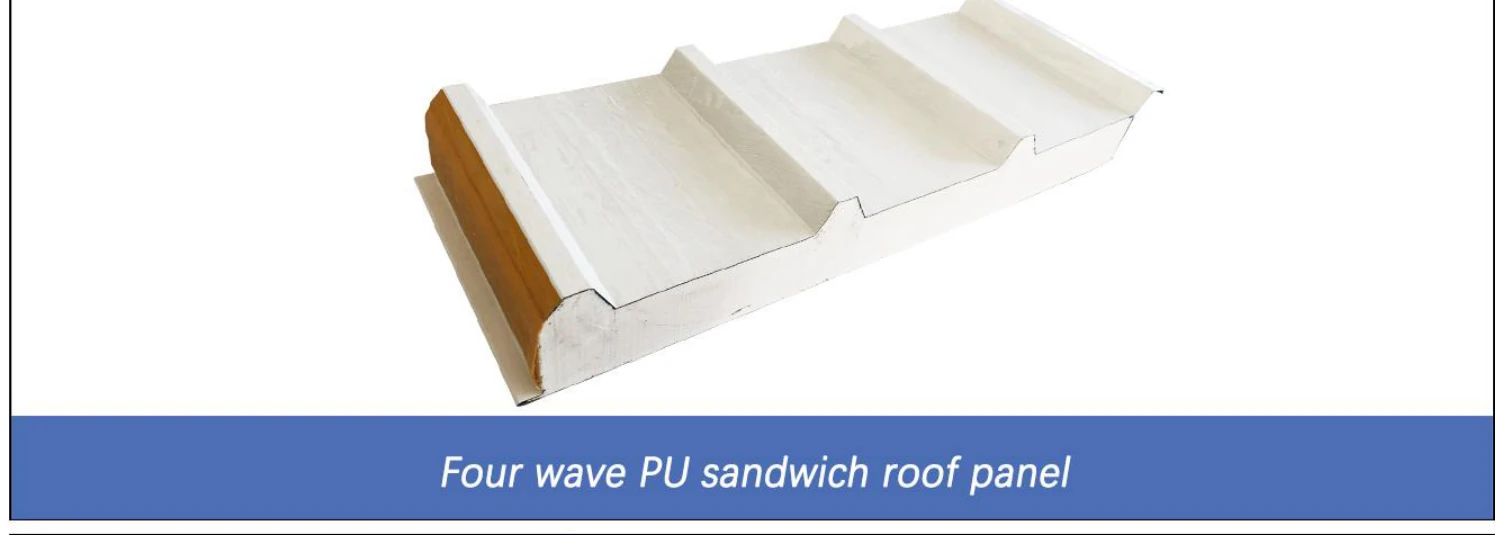
PU Roof Sandwich Panels
For industrial roofing, with four-wave profile, side-lap, ridge, eave and flashing details reviewed by roof layout.
Typical uses: factories, warehouses, steel structures.
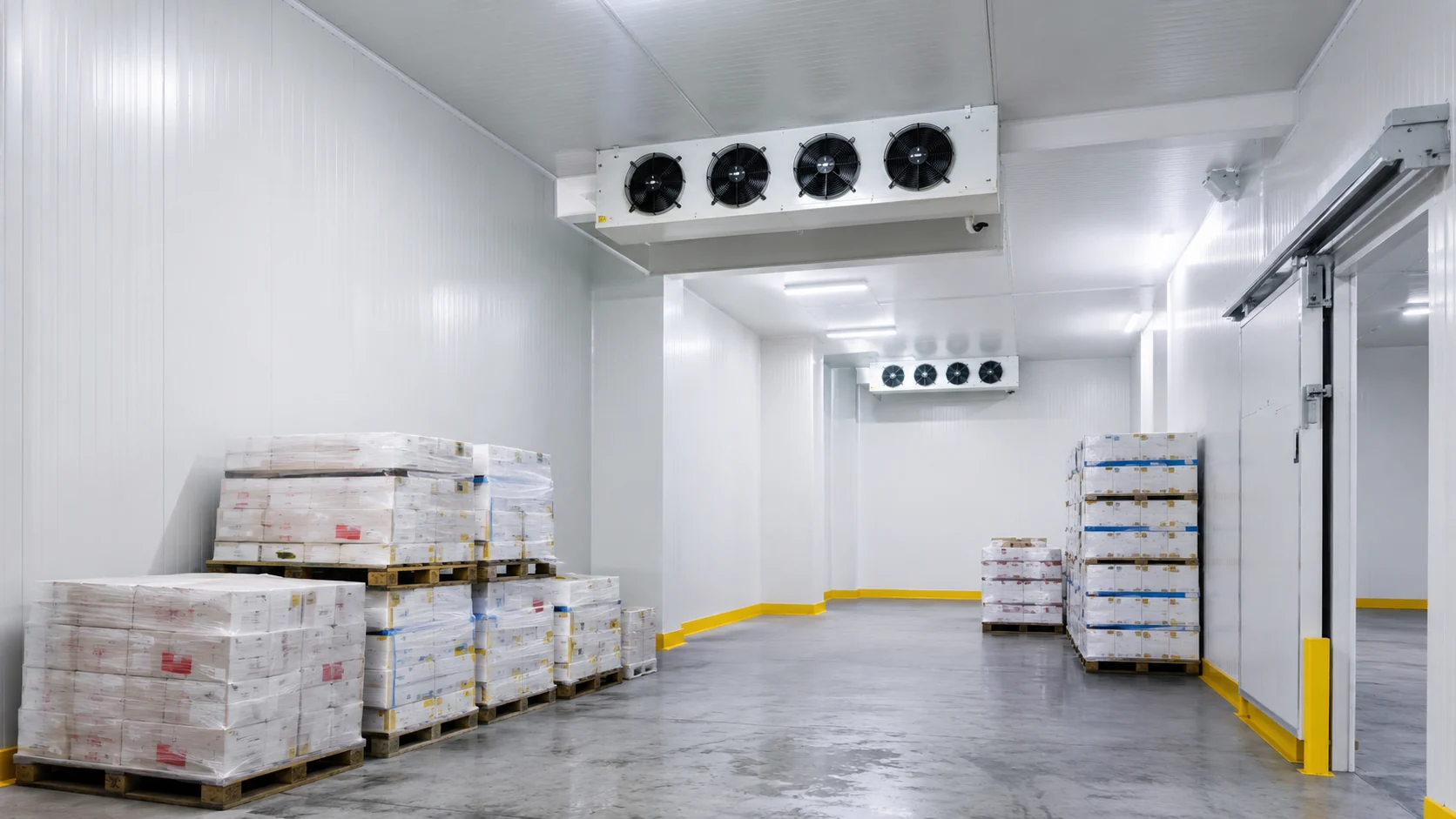
Thermal insulation panels for cold chain and industrial envelopes.
PU sandwich panels combine coated steel facings with a rigid polyurethane insulation core. The system is commonly considered for cold rooms, insulated wall partitions, warehouses and industrial buildings where heat transfer control is important.
PU sandwich panel specifications for project review.
Final specification should be confirmed from application, room temperature, drawings, structural requirements and destination conditions.
| Insulation core | Rigid polyurethane (PU) foam core. |
|---|---|
| Typical applications | Cold rooms, refrigerated warehouses, industrial walls, partitions and temperature-controlled spaces. |
| Panel thickness | Project-based options selected according to insulation target and operating temperature. |
| Steel facing | Pre-painted galvanized steel or other project-approved coated steel options. |
| Surface and color | Profile, finish, coating and RAL color can be discussed for the project. |
| Joint system | Interlocking insulated joints selected according to wall or cold room configuration. |
| Accessories | Matching flashings, corners, base trims, door details and installation accessories. |
| Customization | Panel length, thickness, facing, color, coating and packing can be reviewed from order requirements. |
| Effective width | Common project widths available; final width depends on the selected profile and is confirmed at quotation. |
| Coating options | PE, HDP, PVDF and other coating systems can be reviewed according to project environment and durability requirements. |
| Packing method | Export packing with edge and surface protection; packing and container loading plan confirmed per order. |
Where PU sandwich panels are commonly used.
Panel thickness and details should match the required temperature, humidity, building use and installation position.
Cold Rooms
Insulated walls and ceilings for chilled rooms, freezer rooms and walk-in cold storage.
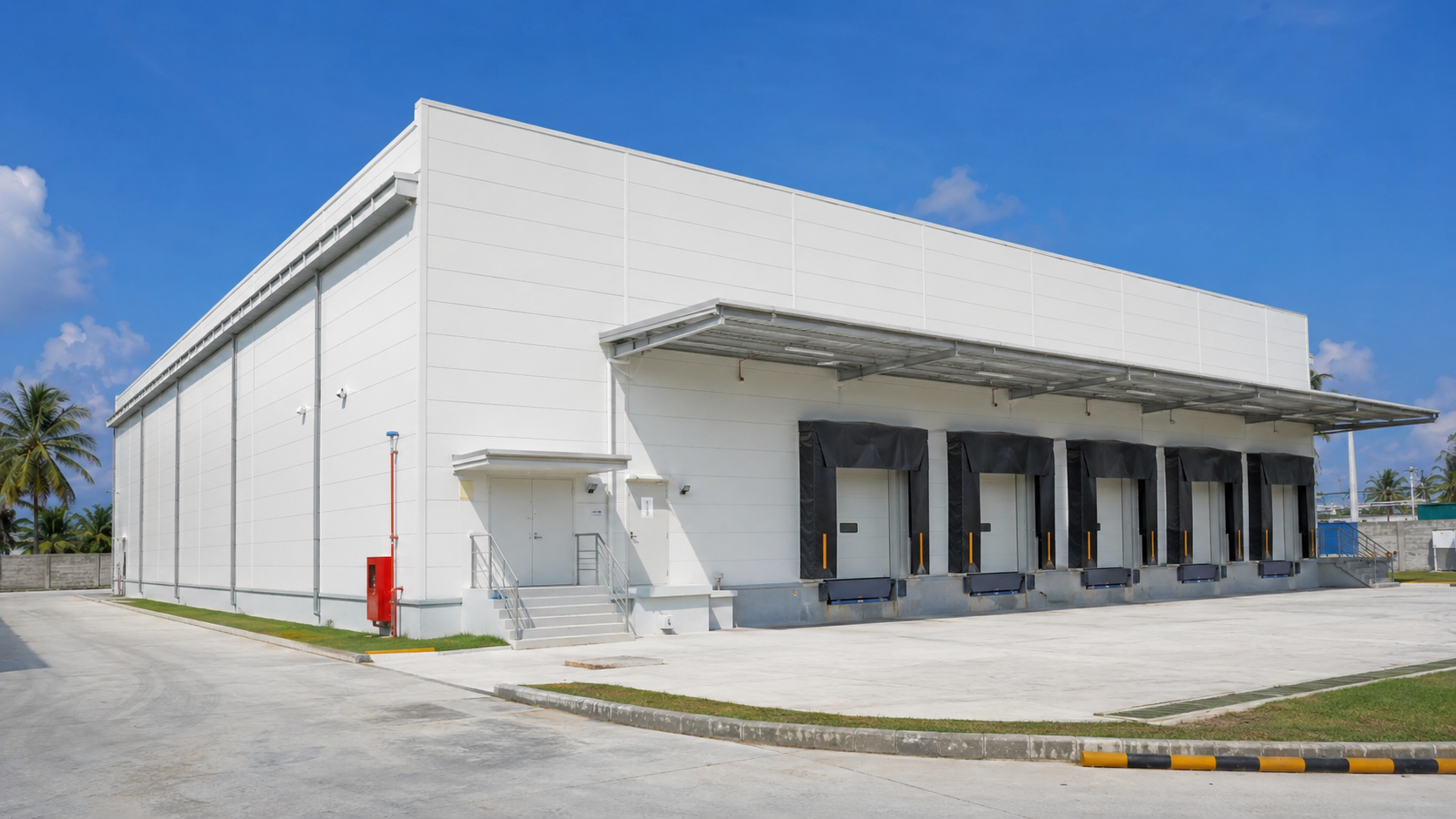
Refrigerated Warehouses
Temperature-controlled spaces for food storage, logistics and cold chain operations.
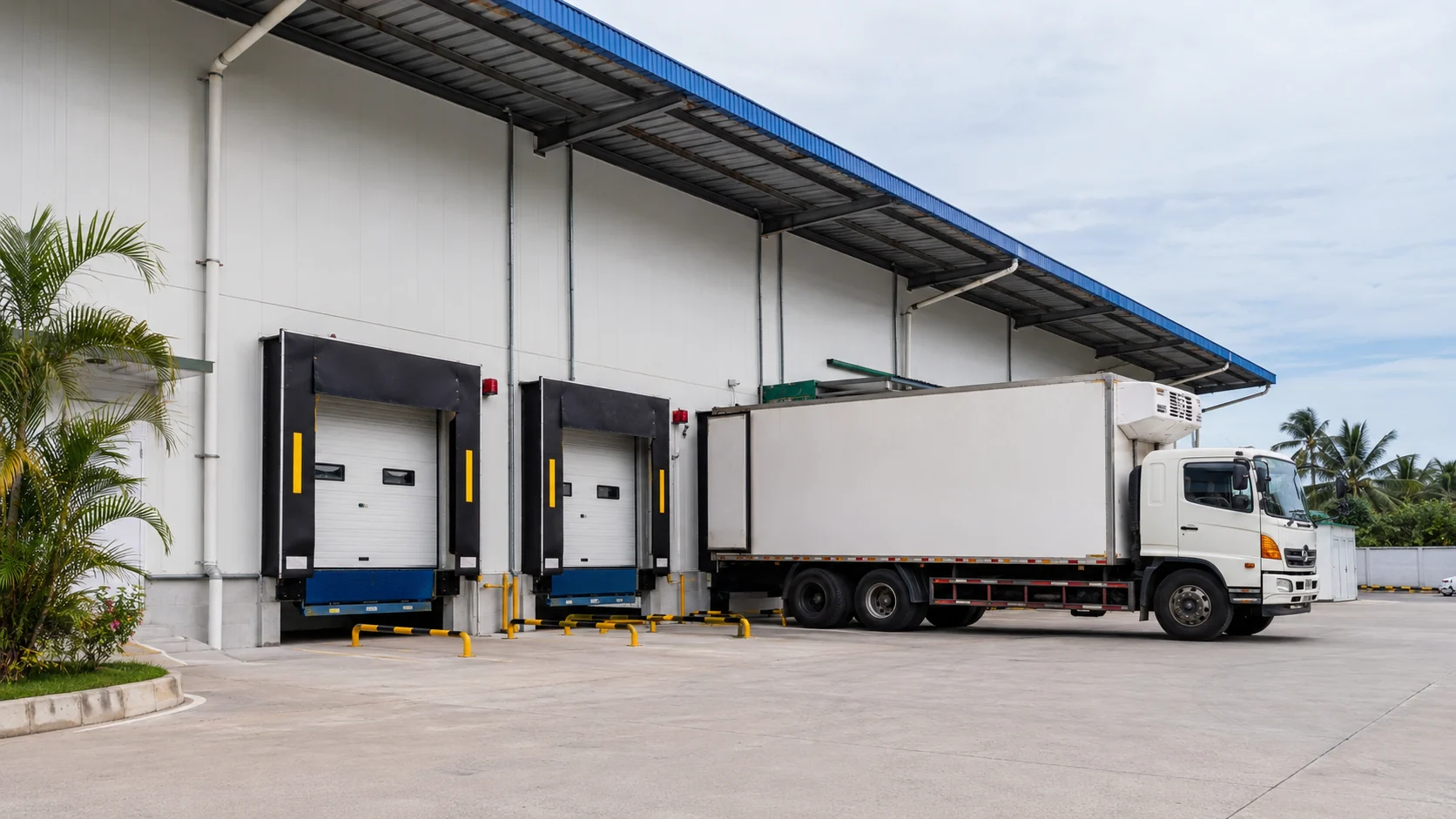
Industrial Wall Systems
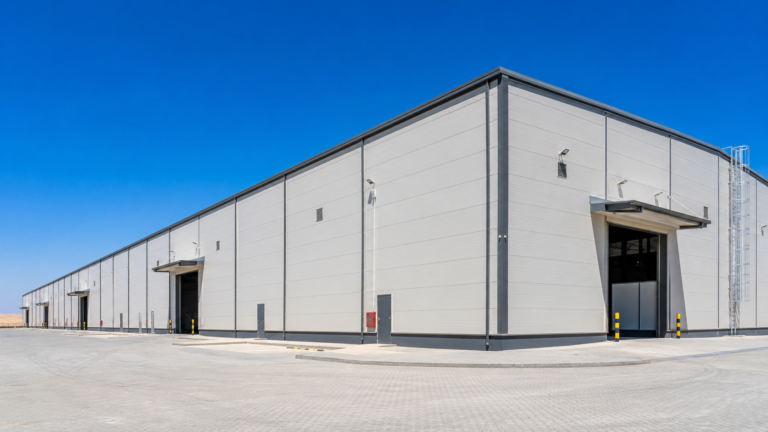
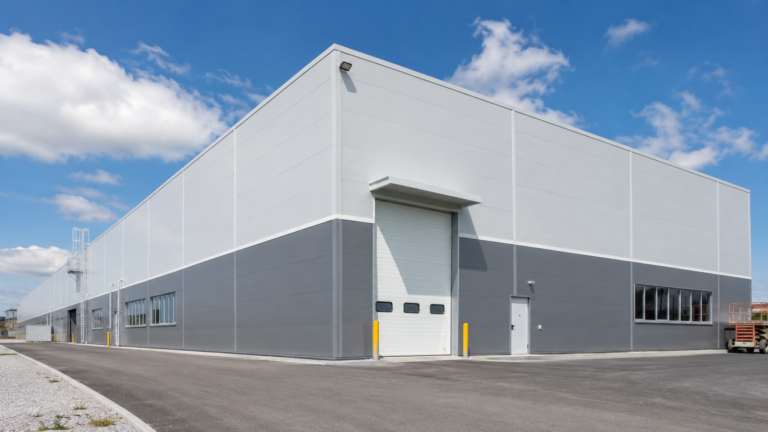
Insulated exterior walls and internal partitions for production and warehouse buildings.
Prefabricated Buildings
Fast-installed insulated envelopes for modular and steel structure construction.
PU / PIR Sandwich Panel Structure
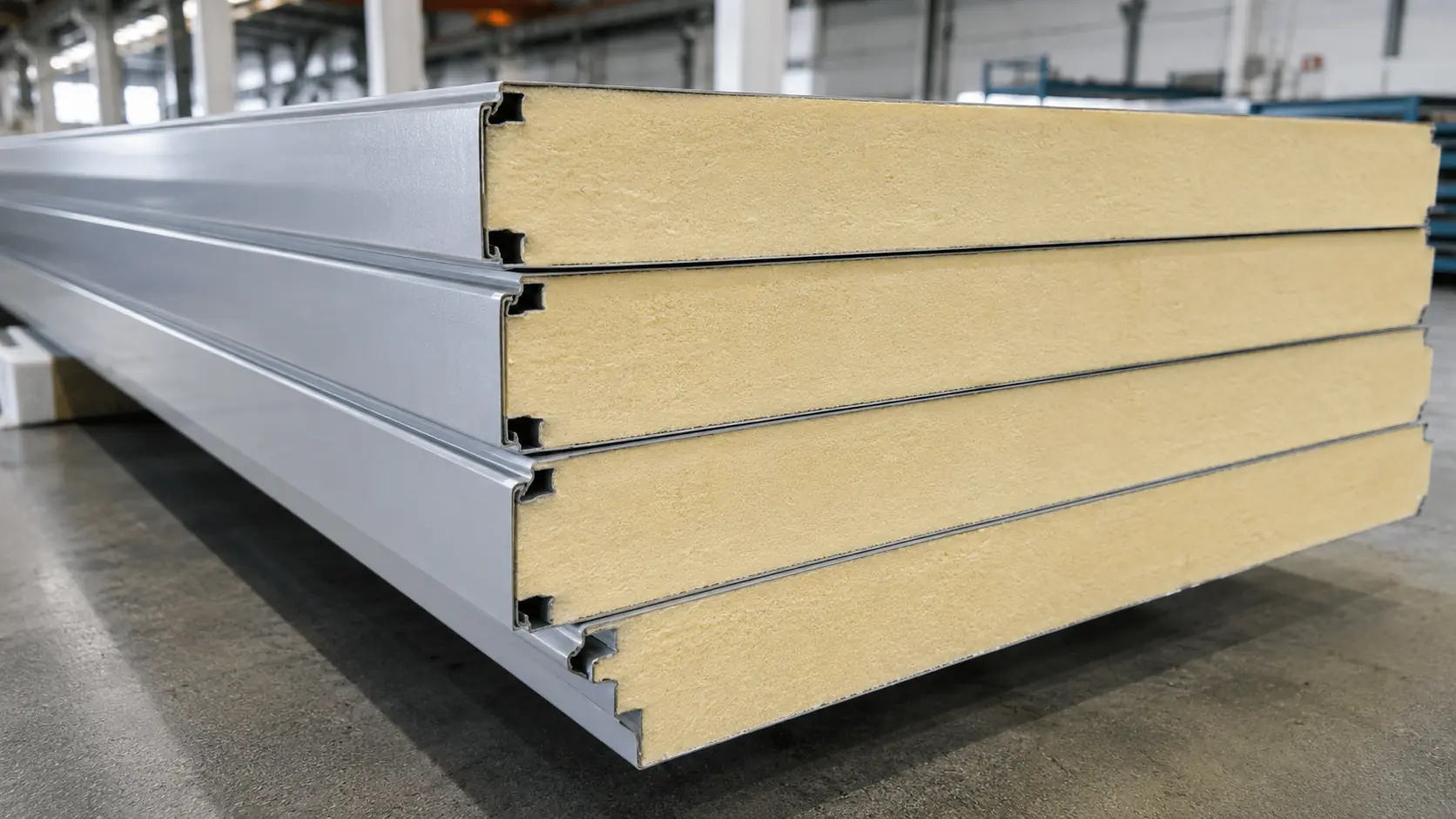
LIAOHE PU / PIR sandwich panels are manufactured with prepainted steel facings and rigid polyurethane or PIR foam core. The panels provide thermal insulation, lightweight construction, and stable metal surface performance for industrial buildings, warehouses, cold storage projects, and prefabricated structures.
Wall panel and roof panel profiles can be customized according to project requirements, including panel thickness, steel sheet thickness, coating type, color, effective width, and joint design.
Prepainted Steel Facing and Coating Options
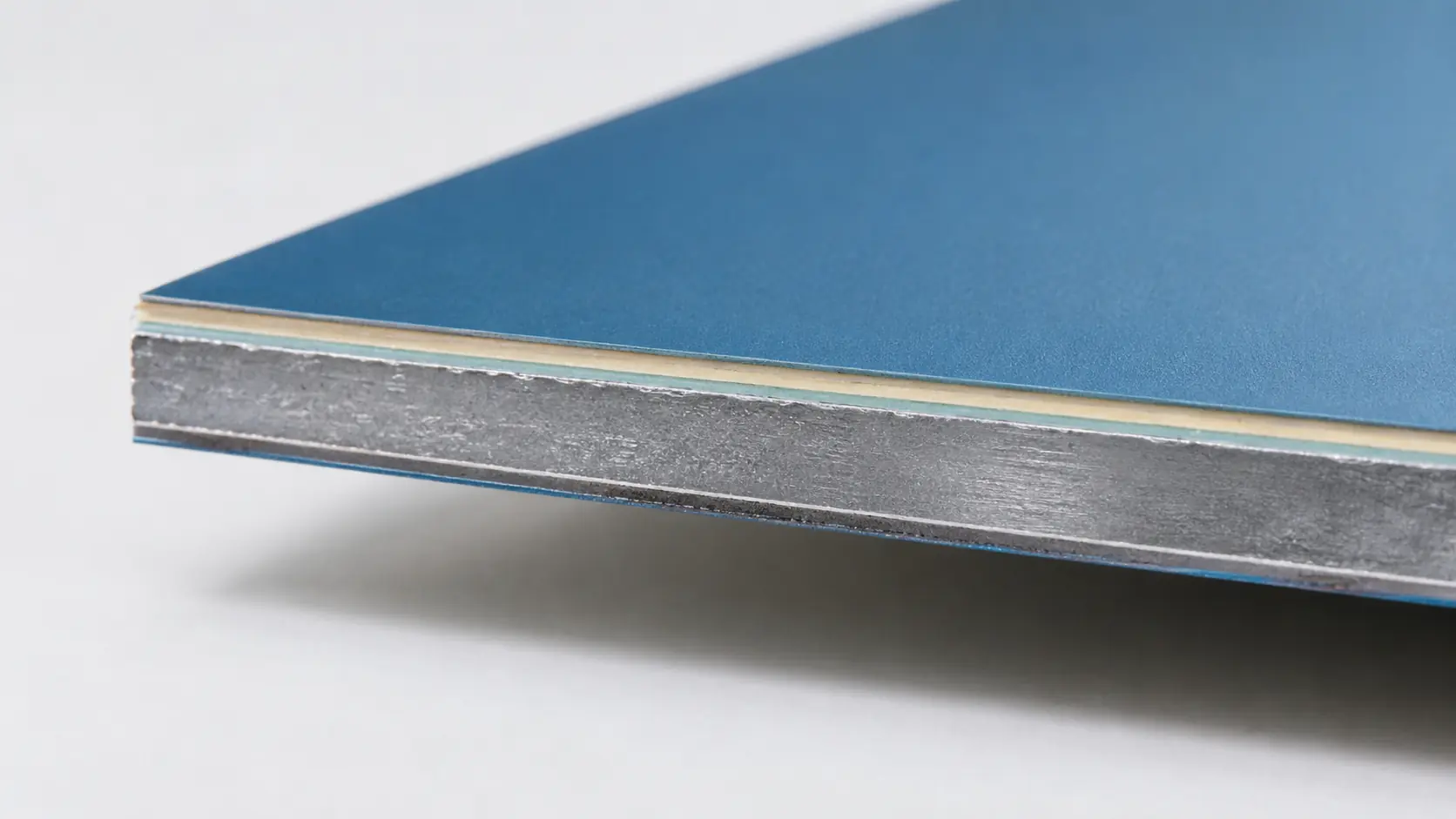
The metal facings of LIAOHE insulated sandwich panels can be supplied with different coating systems, including PE, SMP, HDP, and PVDF. The suitable coating system depends on project environment, corrosion resistance requirements, color durability, humidity level, and expected service life.
For coastal areas, tropical climates, high-humidity environments, or projects requiring stronger color retention, HDP or PVDF coating systems can be recommended according to project requirements.
Specifying PU (Polyurethane) Sandwich Panels for Your Project
PU sandwich panels provide thermal insulation performance for cold rooms, refrigerated warehouses and insulated industrial buildings when selected according to project-specific configuration.
Product Selection Guidance
| Configuration | Recommended use | Typical thickness |
|---|---|---|
| Standard wall / roof | Workshops, factories, industrial cladding | 50–75 mm |
| Refrigerated warehouse | Chillers, +2°C to +8°C storage | 100 mm |
| Cold room | Freezer rooms, −18°C storage | 120–150 mm |
| Low-temperature | Blast freezers, around −25°C | 180–200 mm |
Reference only. Final panel thickness should be confirmed according to room temperature, ambient conditions, project design and insulation requirements.
PU vs PIR vs EPS vs Rock Wool Comparison
| Core Material | λ W/(m·K) | Fire Performance | Relative Cost | Application Reference |
|---|---|---|---|---|
| PU | Thermal conductivity data is available according to the selected PU panel model and approved technical data sheet. | Fire-performance documentation is available for applicable tested panel models. | Medium | Cold rooms and refrigerated warehouses |
| PIR | Available according to the selected panel model and approved technical data sheet. | Fire-performance documentation is available for applicable tested panel models. | Medium | Cold storage and projects requiring tested fire-performance documentation |
| EPS | Available according to the selected panel model and approved technical data sheet. | Fire performance must be confirmed by applicable test documentation and project requirements. | Low | Prefab and temporary buildings |
| Rock Wool | Available according to the selected panel model and approved technical data sheet. | Fire performance must be confirmed according to the applicable tested panel model and valid test report. | High | Industrial wall and roof systems requiring mineral wool core review |
PU sandwich panels are commonly selected for thermal insulation performance in cold rooms and insulated industrial buildings when the project specification supports polyurethane core panels. For projects with higher fire-performance requirements, review PIR sandwich panels.
Fire performance must be confirmed according to the applicable tested panel model, valid test report, panel thickness, steel facings, joint configuration, installation method and project requirements.
Cost & Value Analysis
Material cost
Project cost depends on panel thickness, steel facing, coating, quantity, accessories and delivery requirements.
Installation cost
Installation cost depends on project drawings, panel length, lifting conditions, joint details, trims and local labor arrangements.
| Engineering factor | Project-specific impact |
|---|---|
| Thermal transfer | Lower thermal conductivity can reduce heat transfer through the building envelope. |
| Economic performance | Actual energy consumption and economic performance depend on panel thickness, indoor and outdoor temperatures, airtightness, operating hours, local energy prices, refrigeration equipment efficiency and project design. |
Lower thermal conductivity can reduce heat transfer through the building envelope. Actual energy consumption and economic performance depend on panel thickness, indoor and outdoor temperatures, airtightness, operating hours, local energy prices, refrigeration equipment efficiency and project design.
Technical Highlights
Thermal insulation performance
Thermal conductivity data is available according to the selected PU panel model and approved technical data sheet.
Project-specific configuration
Core Density: 35–45 kg/m³. Available according to the selected panel type, project specification and approved production configuration.
Hydrophobic closed-cell core
Low water absorption for reliable long-term performance.
Fire-performance documentation
Fire performance must be confirmed according to the applicable tested panel model, valid test report, panel thickness, steel facings, joint configuration, installation method and project requirements.
Application Scenarios
LIAOHE Factory & Manufacturing Advantages
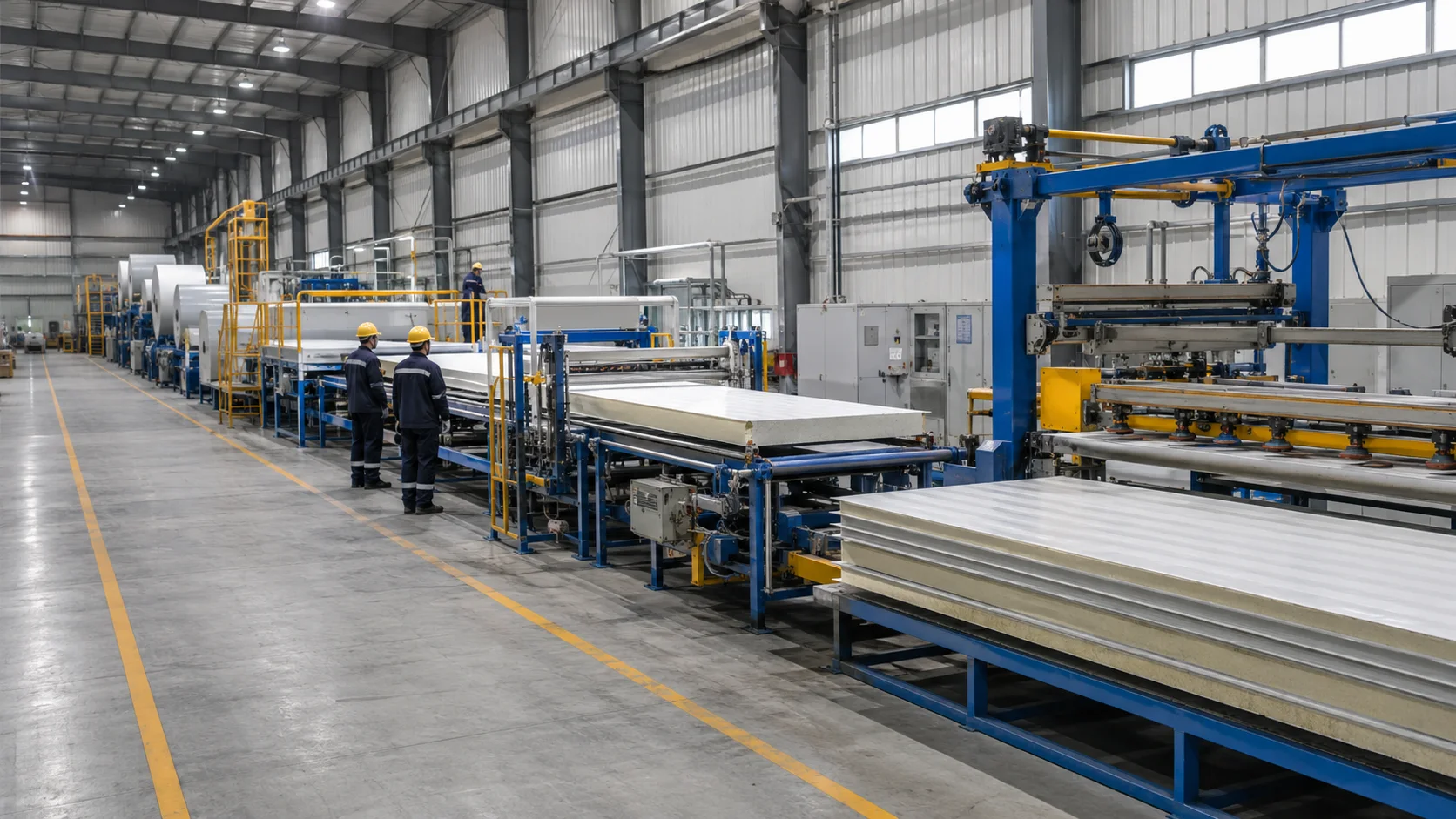
Continuous lamination line
Double-track continuous PU/PIR line with a ~36 m curing section for uniform core density and reliable steel-to-core bonding.
All cores produced in-house
PU, PIR, EPS and Rock Wool under one roof — consistent quality and coordinated mixed-container loading.
Automatic thickness & density control
Computer-controlled panel thickness and foaming density with in-line QC on every production batch.
Export-ready packaging
Reinforced packaging and container-loading plans optimised for long-distance sea freight and safe arrival.
Certification support
Documentation support for CE and project-specific certification and inspection requirements.
OEM & custom profiles
Custom thickness, RAL colours, PE/PVDF coatings and joint profiles produced to your project specification.
Request a PU Panel Quotation
Send your drawings, target temperatures and quantities — our engineering team will review your requirement and recommend suitable specifications.
PU panel questions before quotation.
Send the application, temperature, dimensions and destination port for project-based selection.
How should PU panel thickness be selected?
Thickness depends on operating temperature, ambient conditions, insulation target and application. Cold rooms generally need project-specific thermal review.
Can PU panels be supplied with matching accessories?
Yes. Matching flashings, corner trims, base details, door details and other folded metal accessories can be quoted together.
Can color, steel facing and panel length be customized?
Project-based customization can be discussed according to production range, coating system, RAL color, transport limits and order quantity.
What information is required for a quotation?
Please provide application, required temperature, panel thickness, steel facing, color, dimensions, quantity, drawings and destination port.
When should PIR be selected instead of PU?
PU is the common choice for thermal insulation and cost performance in cold rooms and insulated industrial buildings. For projects with higher fire-performance requirements, PIR panels can be reviewed. See the PIR sandwich panels page for details.
How are PU sandwich panels packed for export shipping?
Panels are packed with edge and surface protection suitable for sea freight. The packing method and container loading plan are confirmed according to panel length, quantity and destination port.
Do you provide installation guidance for overseas projects?
Installation reference documents, joint and trim details, and door opening references can be provided with the order. Project-specific installation design should be confirmed by the project engineering team.
Send your cold room or industrial insulation requirements.
Provide the application, operating temperature, panel dimensions, steel facing, coating, quantity, drawings and destination port. LIAOHE will review the suitable PU sandwich panel configuration.
Related Project Cases
Send your drawings, panel thickness, quantity and destination port for quotation.
PU Sandwich Panel Product Choices
Choose the wall-panel or roof-panel version before confirming drawings, profile and quotation details.
Factory Trust & Export Support
Review LIAOHE factory capability, quality control and export packing support before placing a project order.
Factory Capability | Quality Control | Packing & Loading | Request a Factory Quotation
Verified Export Supply Cases
Export Markets Supplied
These are verified export supply cases. Customer identity and commercial terms are not published. View all project cases →